Why are Tanzania’s Park Entrance Fees Expensive?
Tanzania is home to some of the most famous and largest national parks in Africa, including the Serengeti, Ngorongoro Crater, Selous, and Ruaha. These parks attract visitors from all over the world who want to see elephants, lions, zebras, giraffes, and other iconic wildlife. One thing many travellers notice is that Tanzania’s national park entrance fees are higher than those of neighbouring countries like Kenya, Uganda, or Rwanda. While this may seem expensive at first, there are important reasons behind the cost. The fees help fund wildlife conservation, protect endangered animals, support local communities living near the parks, and maintain high-quality facilities and roads inside the parks. Tanzania also follows a “high-value, low-impact” tourism approach, which focuses on fewer visitors who pay more, rather than large crowds. Understanding why these fees are higher helps visitors see them as an investment in preserving nature and having a better Tanzania safari experience.
- Tanzania Has Very Large National Parks
One of the biggest reasons for higher fees is the size of Tanzania’s parks. Tanzania has some of the largest protected wildlife areas in Africa. For example, Serengeti National Park covers around 14,750 square kilometres. Nyerere National Park (formerly part of Selous Game Reserve) is even larger. Managing such huge areas is expensive. Rangers must patrol long distances to protect wildlife. Vehicles, fuel, communication equipment, and staff salaries all cost money. The larger the park, the more resources are needed to manage it properly. In comparison, some parks in neighbouring countries are smaller. Smaller parks usually require less funding for patrols, road maintenance, and management. Because Tanzania’s parks are so vast, the operating costs are naturally higher.
- Strong Focus on Wildlife Conservation
Tanzania is home to some of the largest wildlife populations in Africa. It has large numbers of elephants, lions, wildebeest, and many other species. It also protects endangered animals such as black rhinos and African wild dogs. Protecting wildlife is not cheap. Poaching remains a serious threat in Africa. Rangers must be trained and equipped to stop illegal hunting. Anti-poaching units require vehicles, surveillance systems, and proper communication tools. Entrance fees help fund these conservation efforts. A large part of the money collected from tourists goes directly toward protecting animals and preserving their habitats. Tanzania invests heavily in conservation to ensure wildlife survives for future generations. Without higher entrance fees, it would be difficult to maintain this level of protection.
- The Great Migration and World-Class Attractions
Tanzania offers one of the most spectacular wildlife events on Earth — the Great Migration. Every year, millions of wildebeest, zebras, and gazelles move across the Serengeti ecosystem in search of fresh grass and water. This natural event attracts visitors from around the world. Many travellers are willing to pay more to witness such a unique experience. Because Tanzania offers globally recognized wildlife experiences, the government can charge premium entrance fees. In simple terms, Tanzania offers a “world-class product,” and the price reflects that value.
- High-Quality Park Management
Tanzania’s parks are managed by the Tanzania National Parks Authority (TANAPA). The organization works to maintain high standards inside the parks. Roads are graded regularly, especially after the rainy season. Signposts are installed to help visitors navigate. Ranger posts are set up in remote areas. Public campsites and picnic areas are maintained. Good Park management improves visitor safety and comfort. But maintaining this quality requires steady funding. Higher entrance fees help support these services. In some other countries, park fees may be lower, but infrastructure inside the parks may also be less developed. Tanzania chooses to maintain high standards, and this increases costs.
- High-Value, Low-Impact Tourism Policy
Tanzania follows a tourism strategy known as “high-value, low-impact tourism.” This means the country prefers fewer visitors who pay more money, rather than attracting very large numbers of budget tourists.
Why does Tanzania do this?
Too many vehicles inside parks can disturb wildlife. Overcrowding can damage roads, grasslands, and sensitive ecosystems. A high number of visitors can also reduce the quality of the safari experience. By charging higher entrance fees, Tanzania controls visitor numbers. This helps protect the environment and ensures that tourists enjoy peaceful wildlife viewing without too many vehicles around animals. This policy is different from some neighbouring countries that focus on attracting higher visitor numbers with lower fees.
- Different Fees for Foreigners and Locals
Tanzania charges different fees for foreign tourists and Tanzanian citizens. Foreign visitors usually pay much more than locals. This helps ensure that Tanzanians can still enjoy their own parks at an affordable price while international tourists contribute significantly to conservation and park management. In other East African countries, the difference between local and foreign fees may be smaller. Tanzania’s large gap between local and foreign fees makes it seem more expensive for international visitors, but it ensures that enough money is collected to protect wildlife and maintain the parks.
- Supporting Local Communities
Another important reason for higher park fees is community support. Many villages are located near national parks. People living in these areas sometimes face challenges such as crop damage from wildlife or restrictions on land use. To encourage positive relationships between parks and communities, Tanzania shares part of the tourism revenue with local areas. Park revenue helps fund schools, health canters, water projects, and other community development programs. When local people benefit from tourism, they are more likely to support conservation instead of illegal activities like poaching. Higher fees help ensure that both wildlife and local communities benefit from tourism.
- Long-Term Sustainability
Tanzania plans for the long term. The government understands that wildlife and natural landscapes must be protected not just for today’s visitors, but for future generations. Higher entrance fees help create a stable source of funding. This reduces dependence on foreign donations or external funding. Parks can operate independently and continue conservation programs even during difficult times. This long-term planning increases the cost today, but it protects the future of Tanzania’s wildlife.
- Comparison with Neighboring Countries
When comparing Tanzania with other East African countries, some differences are clear:
- Kenya: Kenya has famous parks like Maasai Mara, but fees are generally lower. The country focuses on attracting more mid-budget tourists. Some parks, like Maasai Mara during the Great Migration, can still be expensive.
- Uganda: Uganda’s parks, like Murchison Falls and Queen Elizabeth, are smaller and generally cheaper. Uganda encourages more visitors and focuses on ecotourism rather than high-value, low-impact tourism.
- Rwanda: Rwanda’s main attraction is gorilla trekking, which is very expensive. Other parks are less costly. Rwanda’s tourism strategy focuses on small, high-value experiences.
- Tanzania stands out because it combines large parks, world-famous wildlife events, strict conservation measures, and high-quality infrastructure. All of this requires more funding, which leads to higher entrance fees.
Conclusion
Tanzania’s national park entrance fees are higher than those of other East African countries for several key reasons. They help fund wildlife conservation, support rangers, maintain large and famous parks, and provide high-quality experiences for visitors. The fees also benefit local communities and ensure that tourism has a low impact on the environment. While the cost may seem high, visitors are paying for more than just entry. They are contributing to the protection of some of the most iconic wildlife in the world and enjoying a better safari experience.
Read More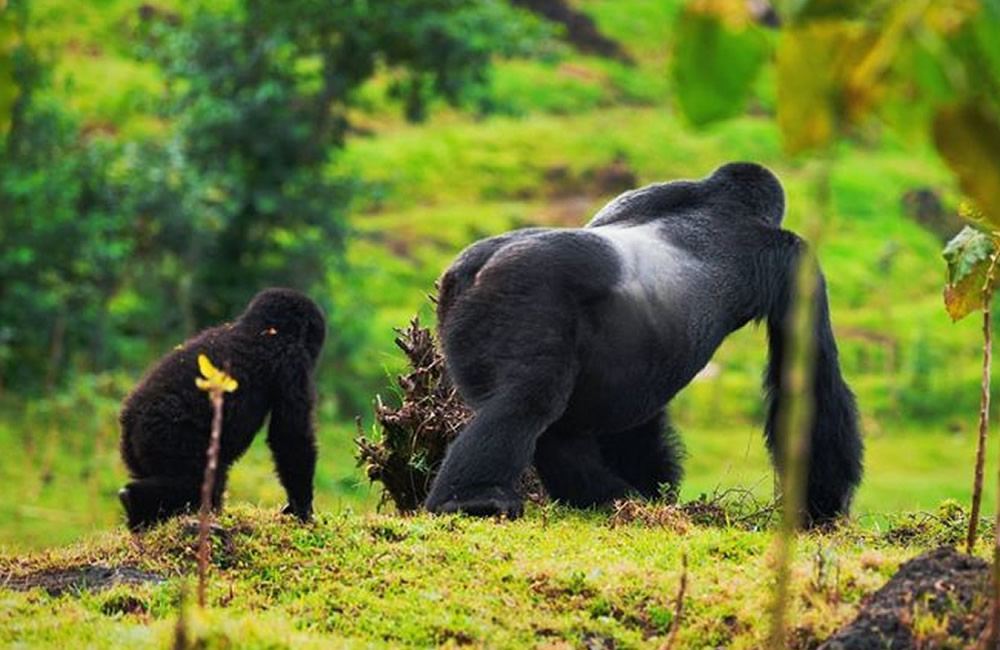
Uganda Vs Rwanda: Where to Go for Best Gorilla Treks
Without any doubt, Uganda and Rwanda are known as the best destinations for gorilla tracking in the whole world. However truth it may be, there has been several debates in contrast which provides the finest regard to gorilla trekking experience, and photography. It must be put into consideration that mountain gorillas are regarded as endangered species and according to the last population census carried on them in 2018 there about 1060 individuals left in the world. Among these a half of the world’s population live in Uganda’s Bwindi Forest located in the south western part of Uganda over 480 individuals live in this park. The rest are found within the Virunga ranges which are shared by Rwanda within the volcanoes national park in the north western region of Rwanda, the virunga national park in the democratic republic of Congo and the Mgahinga gorilla forest national park in Uganda. People who have got chance to track in each country have different experience in contrast and views, however what we have here are certainly not the reality however its reliant on people’s views.
Travel Time to the Mountain Gorilla Parks
Gorillas in Rwanda can be reached in just a drive of about 2-3 hours from the Kigali Rwanda’s capital city to volcanoes national park located in Ruhengeri Musanze district in the north western part of Rwanda. In contrast, Uganda Gorillas are found in the south- western part of Uganda in a drive of about 9-10 hours from Kampala Uganda’s capital and largest city up to Bwindi impenetrable national and Mgahinga gorilla national park. When comparing the driving distance Rwanda takes it all due to a shortest distance it covers to the gorilla park. However some of the clients yet said that the long distance from Entebbe to Bwindi impenetrable forest or Mgahinga national park gives an experience it filled with striking views, a stopover at the equator-crossing and certainly the kigezi adulating hills making the total safari exciting.
Gorilla Tracking Fee (Permits)
No one is allowed to track gorillas without a gorilla permit and it’s advised to book earlier prior to your tracking date at least 3-5 months before you set up your safari and this applies to both countries. Rwanda gorilla permits costs $ 750 per person per tracking and this includes the park entry fee plus the ranger guides and permits in Rwanda are acquired at the Rwanda tourism board Offices (ORTPN) found in Kigali (close to the PNV). Whereas in Uganda gorilla permits are at a fee of $ 600 per person per tracking, park entry fee and ranger guides is included on that money, and permits are bought at the Uganda wildlife Authority (UWA). Uganda gorilla permits fees are subjected to seasons in the high seasons gorilla permits are got at $600 while the low seasons April –May they costs $350 per person including the park entry fee both in Bwindi and Mgahinga. Thus this means that gorilla tracking within Rwanda is more expensive in comparison to gorilla trekking within Uganda. If you track in Uganda you end up saving about $150 in the high season and about $350 in the low seasons and will use the rest of the money to track the chimpanzees within Kibale National Park or Queen Elizabeth N.P
Gorilla Family distribution
In terms of allocating gorilla families within Rwanda, the gorilla families and permits are allocated basing on health, age, interest and physical fitness of a tourist and this is made clear during the briefing before the gorilla safari commences. Those who are adventurous and physically fit are allocated to hard families and those who are weak, old, less physically fit are given easy to find gorilla families which are close. But in Uganda this is not the case, Gorilla permits are sold on first came first served basis without considering the, age, health and fitness along with other essential variables. So gorilla tracking in Rwanda is more flexible than in Uganda.
Watching and Photography
Mountain gorillas in Rwanda can be viewed easily and photography is much clear as compared to the Bwindi impenetrable forest gorillas. Rwanda Volcanoes National Park gorillas are found in the bamboo forests and short grass that has caused it better when it comes to viewing plus photography. The impenetrable forest of Uganda at times results into bad visibility as well as photography because of the tall grass. However viewing in some families in Uganda is clear like in the Nshongi family within Rushegur, Nshongi among other have better views.
Accommodation Compared.
When it comes to lodging and accommodation, Uganda is far much better compared to Rwanda. Uganda has several accommodations within the four trails that are Rushaga, Ruhija, Nkuringo and Buhoma. In each trail you can still find at least 2 up market accommodations and also other alternatives to mention some lodges include (Luxury) Buhoma Lodge/ Mahogany Lodge/ Chameleon Hill Lodge/ Lake Mutanda Resort (mid-range) Engagi Lodge/ Silverback Lodge / Gorilla Safari Lodge/ Gorilla Resort Bwindi/ Gorilla Mist Camp, (budget)Ruhija Gorilla Friends Camp or Travelers Rest Hotel, Gorilla Valley Lodge or Buhoma Community Campground. In terms of Rwanda, there a number of lodges however only one sticks out and that’s Virunga Lodge that is usually full and costly. Other lodges include Sabyinya Silverback Lodge, Gorilla nest Lodge, (luxury) Le Bombou Lodge and Kinigi Guest House.
Apart from gorillas which other activities done
Besides mountain gorillas Uganda is blessed by very many natural wonders it hosts over 1012 species of birds, it’s where in the world you can spot the tree climbing lions in the famous part of Queen Elizabeth national park Ishasha area, you can see them sited on fig trees or tree blanches, still It has got the source of the Nile the longest river in the world, where it begins 3000 kilometer journey to the Mediterranean Sea.
It’s located in Jinja and around the Nile you can try river rafting and bungee jumping and fishing activities can be arranged on Lake Victoria the biggest fresh lake in Africa. Uganda is also home to ten national parks and 12 wildlife reserves which provide uncrowded viewing of the varied animals, birds and plant species. In addition to that, the famous Rwenzori mountains also provide challenging expedition to those looking for mountain climbing. Uganda was chosen the very best location by Lonely Planet. All these among other attractions make Uganda the best in terms of tourist attraction.
Rwanda has three other national parks that you can explore during your safari. These are Nyungwe Forest national park where you can do chimpanzee tracking and canopy walk, Akagera National park, the only savanna national park where you can experience game viewing and the Gishwati Mukura National Park home to chimpanzees.
Read More