Hard-Working Hands Span Cultures and Generations to Come Together for Big Cat Conservation
Africa is the land of diversity, hosting a vast amount of biological and cultural variance within each of its 53 countries. Biologists and David Attenborough fans all over the world know it for its unique, charismatic species: The roaring, the stampeding, and the larger-than-life. Anthropologists and Human Planet fans know it for its lion hunters, its hunter-gatherers, and its fascinating traditions that have been remarkably preserved through time. As a single country, by certain measures Tanzania contains more distinct peoples and languages than there are countries in the world (see Hirst, 1972). It is a land rich in history, and draws thousands of tourists every year for a walk on the wild side.
Our staff at the Noloholo Environmental Center are from all over Tanzania: the slopes of Kilimanjaro and Mount Meru to the islands of Lake Victoria; the bustling metropolis of Dar es Salaam to the small rural villages surrounding our environmental center. Most tourists bypass our little corner of the country beside Tarangire National Park, but this year we benefitted from two National Geographic Student Expeditions that came from all over the world to add a little bit of big-cat- conflict education to their photo and wildlife safari.
Each group spent a day in the communities surrounding our Noloholo Environmental Centre building the protective enclosures for local homesteads (‘bomas’) we call Living Walls. Nothing brings people together like hard labor (except perhaps Tammy), which has a way of completely leveling social stratification. In the warm afternoon sun the same beads of sweat were glistening on the skin of the students, leaders, boma residents, office staff, field officers, and even our executive directors. As holes were dug, Commiphora poles were planted, and fencing was nailed around the enclosure, students and local community members bonded — with smiles and kind gestures when no one was available for translation.
Sources for this post:
Hirst, M.A. (1972). Tribal mixture and migration in Tanzania: an evaluation and analysis of census tribal data. Canadian Geographer 16: 230-248.
Miguel, E. (2004). Tribe or nation? Nation-building and public goods in Kenya versus Tanzania. World Politics 56: 327-362.
Read MoreGorilla Watching in Uganda
Tracking the world’s greatest hairy human relative is the greatest unforgettable experience in world that you will never forget! Visiting the gorilla parks, hiking and getting to find the critically endangered mountain gorillas in their natural habitat is a great journey that is not only interesting but also educative. Early in the morning, a group of tourists assemble at various locations to take a hike in search of one of the habituated gorilla group! The scenery and attractions relating with the surrounding areas is a plus!
Upon meeting the gorillas, you have up to one hour to watch these great apes. Your watching will not distort their activities! You can find them feeding on their bamboo shoots and green leaves! The old ones are usually seen grooming them selves as the young enjoy playing in the tree branches! The adults do not forget their duty of parenting most especially the silver back gorilla, the head of the family.
For Uganda visitors, this kind of once in a lifetime experience is attainable on a visit to Bwindi Impenetrable National Park and Mgahinga gorilla national park. Elsewhere gorilla tracking can be done in the Volcanoes National Park in Rwanda and the Virunga National Park of the Democratic Republic of Congo.
Both Bwindi Forest and Mgahinga National Park are located in the south-western part of Uganda on the edge of the Rift Valley. The mist covered hillsides are sheltered within one of the oldest rain forests in the world. These parks “impenetrable and Mgahinga” also protects a half of the world’s total population of gorillas estimated to be as few as 900 mountain gorillas.
Both parks also inhabit different bird species, butterflies, animals and plant species.
For ornithologists, these parks hold over 600 species of birds and they contain 90% of the Albertine Rift endemics, hardily seen in any other part of the East Africa but atleast 100 bird species can be seen a day.
You can visit Buhoma, and Ruhija to see species like the African green broad bill (psedocalptomena graveri), dwarf honey guide (indicator pumilio), kivu ground thrush (zoothera a Tanganjicak), Lagdeen’s bush shrike ( Mahacanotus legdeni), Chaplin’s flycatcher (Musticapa lend), Oberhandar’s ground thrush, yellow eyed flycatcher, montane double-collared sunbird (Nectarinia ludoviencis), and dusky twinspot.
Other Things to Do
Apart from the popular gorilla safaris, there are many other exciting adventures in the area. Gorilla tracking in these parks can be accompanied with several other tourism activities like the primate watching, nature walks, cave exploration and village walks, mountain bike rides. Within Bwindi Forest volunteering and community work is possible. Visitors can also give a hand at the Bwindi hospital, a project that was set up from as a profit sharing scheme that was introduced in Uganda’s protected areas. From Mgahinga, you can enjoy a Batwa Trail or Pygmy experience, and community volunteering.
Where to Stay
Accommodation in the area is available with different range. These are located in and outside the parks. The all have Single rooms, double rooms, twin and farmily rooms and cottages and are built and designed using local materials such as sisal ropes, forest vines and many others with bathrooms (with hot water showers) and good veranda for viewing the spectacular scenery that surrounds the lodges.
Therefore, it is a place that one will never forget once you visit this small piece of the “Pearl of Africa”.
Read MoreAll About the African Big Five
According to tourist brochures a modern day African safari is not complete without having spotted each member of the Big Five. Some companies even go so far as to award certificates to those guests who have experienced the big five on their safari.
Hunting and photographic safaris
The big 5 is a collective term used to describe lion, leopard, buffalo, black rhino and elephant Although seemingly patented by the photographic tourism market the big five is a term that originated during the early days of trophy hunting and indicated the five most dangerous animals to hunt and hence the most sought after trophies.
The part that constitutes the trophy differs with each animal. The lion is sought for its mane, the elephant its tusks, the buffalo and rhino the horns and the leopard the general body size and size of the head.
Private reserves and the Big 5
With the advent of luxury photographic safari travel in the 1970’s in South Africa’s private game reserves the big 5 became the largest selling point of a safari and despite attempts by many individuals and organizations at ridiculing the concept aggressive marketing ensures the popularity continues to grow.
The black rhino was the original member of the Big five but with the scarcity of the species today the more common white rhino has taken its place in many areas as many forget the original ideal.
Facts about the Big 5
The buffalo is responsible for the most human deaths annually. The leopard is hunted by setting out baits. Despite the ban on ivory trading, elephants are still legally hunted in some countries. Although many countries have banned trophy hunting it is still big business in Africa.
Read MoreWhy are Tanzania’s Park Entrance Fees Expensive?
Tanzania is home to some of the most famous and largest national parks in Africa, including the Serengeti, Ngorongoro Crater, Selous, and Ruaha. These parks attract visitors from all over the world who want to see elephants, lions, zebras, giraffes, and other iconic wildlife. One thing many travellers notice is that Tanzania’s national park entrance fees are higher than those of neighbouring countries like Kenya, Uganda, or Rwanda. While this may seem expensive at first, there are important reasons behind the cost. The fees help fund wildlife conservation, protect endangered animals, support local communities living near the parks, and maintain high-quality facilities and roads inside the parks. Tanzania also follows a “high-value, low-impact” tourism approach, which focuses on fewer visitors who pay more, rather than large crowds. Understanding why these fees are higher helps visitors see them as an investment in preserving nature and having a better Tanzania safari experience.
- Tanzania Has Very Large National Parks
One of the biggest reasons for higher fees is the size of Tanzania’s parks. Tanzania has some of the largest protected wildlife areas in Africa. For example, Serengeti National Park covers around 14,750 square kilometres. Nyerere National Park (formerly part of Selous Game Reserve) is even larger. Managing such huge areas is expensive. Rangers must patrol long distances to protect wildlife. Vehicles, fuel, communication equipment, and staff salaries all cost money. The larger the park, the more resources are needed to manage it properly. In comparison, some parks in neighbouring countries are smaller. Smaller parks usually require less funding for patrols, road maintenance, and management. Because Tanzania’s parks are so vast, the operating costs are naturally higher.
- Strong Focus on Wildlife Conservation
Tanzania is home to some of the largest wildlife populations in Africa. It has large numbers of elephants, lions, wildebeest, and many other species. It also protects endangered animals such as black rhinos and African wild dogs. Protecting wildlife is not cheap. Poaching remains a serious threat in Africa. Rangers must be trained and equipped to stop illegal hunting. Anti-poaching units require vehicles, surveillance systems, and proper communication tools. Entrance fees help fund these conservation efforts. A large part of the money collected from tourists goes directly toward protecting animals and preserving their habitats. Tanzania invests heavily in conservation to ensure wildlife survives for future generations. Without higher entrance fees, it would be difficult to maintain this level of protection.
- The Great Migration and World-Class Attractions
Tanzania offers one of the most spectacular wildlife events on Earth — the Great Migration. Every year, millions of wildebeest, zebras, and gazelles move across the Serengeti ecosystem in search of fresh grass and water. This natural event attracts visitors from around the world. Many travellers are willing to pay more to witness such a unique experience. Because Tanzania offers globally recognized wildlife experiences, the government can charge premium entrance fees. In simple terms, Tanzania offers a “world-class product,” and the price reflects that value.
- High-Quality Park Management
Tanzania’s parks are managed by the Tanzania National Parks Authority (TANAPA). The organization works to maintain high standards inside the parks. Roads are graded regularly, especially after the rainy season. Signposts are installed to help visitors navigate. Ranger posts are set up in remote areas. Public campsites and picnic areas are maintained. Good Park management improves visitor safety and comfort. But maintaining this quality requires steady funding. Higher entrance fees help support these services. In some other countries, park fees may be lower, but infrastructure inside the parks may also be less developed. Tanzania chooses to maintain high standards, and this increases costs.
- High-Value, Low-Impact Tourism Policy
Tanzania follows a tourism strategy known as “high-value, low-impact tourism.” This means the country prefers fewer visitors who pay more money, rather than attracting very large numbers of budget tourists.
Why does Tanzania do this?
Too many vehicles inside parks can disturb wildlife. Overcrowding can damage roads, grasslands, and sensitive ecosystems. A high number of visitors can also reduce the quality of the safari experience. By charging higher entrance fees, Tanzania controls visitor numbers. This helps protect the environment and ensures that tourists enjoy peaceful wildlife viewing without too many vehicles around animals. This policy is different from some neighbouring countries that focus on attracting higher visitor numbers with lower fees.
- Different Fees for Foreigners and Locals
Tanzania charges different fees for foreign tourists and Tanzanian citizens. Foreign visitors usually pay much more than locals. This helps ensure that Tanzanians can still enjoy their own parks at an affordable price while international tourists contribute significantly to conservation and park management. In other East African countries, the difference between local and foreign fees may be smaller. Tanzania’s large gap between local and foreign fees makes it seem more expensive for international visitors, but it ensures that enough money is collected to protect wildlife and maintain the parks.
- Supporting Local Communities
Another important reason for higher park fees is community support. Many villages are located near national parks. People living in these areas sometimes face challenges such as crop damage from wildlife or restrictions on land use. To encourage positive relationships between parks and communities, Tanzania shares part of the tourism revenue with local areas. Park revenue helps fund schools, health canters, water projects, and other community development programs. When local people benefit from tourism, they are more likely to support conservation instead of illegal activities like poaching. Higher fees help ensure that both wildlife and local communities benefit from tourism.
- Long-Term Sustainability
Tanzania plans for the long term. The government understands that wildlife and natural landscapes must be protected not just for today’s visitors, but for future generations. Higher entrance fees help create a stable source of funding. This reduces dependence on foreign donations or external funding. Parks can operate independently and continue conservation programs even during difficult times. This long-term planning increases the cost today, but it protects the future of Tanzania’s wildlife.
- Comparison with Neighboring Countries
When comparing Tanzania with other East African countries, some differences are clear:
- Kenya: Kenya has famous parks like Maasai Mara, but fees are generally lower. The country focuses on attracting more mid-budget tourists. Some parks, like Maasai Mara during the Great Migration, can still be expensive.
- Uganda: Uganda’s parks, like Murchison Falls and Queen Elizabeth, are smaller and generally cheaper. Uganda encourages more visitors and focuses on ecotourism rather than high-value, low-impact tourism.
- Rwanda: Rwanda’s main attraction is gorilla trekking, which is very expensive. Other parks are less costly. Rwanda’s tourism strategy focuses on small, high-value experiences.
- Tanzania stands out because it combines large parks, world-famous wildlife events, strict conservation measures, and high-quality infrastructure. All of this requires more funding, which leads to higher entrance fees.
Conclusion
Tanzania’s national park entrance fees are higher than those of other East African countries for several key reasons. They help fund wildlife conservation, support rangers, maintain large and famous parks, and provide high-quality experiences for visitors. The fees also benefit local communities and ensure that tourism has a low impact on the environment. While the cost may seem high, visitors are paying for more than just entry. They are contributing to the protection of some of the most iconic wildlife in the world and enjoying a better safari experience.
Read More5 Amazing Facts About Mountain Gorillas
Mountain gorillas are known as the second close relative of man after the chimps which shares almost 98% of human genes and it’s the largest member of the great ape family. An adult male silver-back, which age from 12 and above can weigh up to 470 pounds and can reach six feet in height.
Habitat
Mountain gorillas live in close-knit family groups that may have up to 30 members and the group consists of a dominant male called a silver-back because of the grey hair which grow around its back, the silver-back is responsible for any activity taking place in the group these include knowing where to sleep the following night, where to feed from, defends the group against any attack together with other males and even if meaning losing life a silver-back can do in order to defend the group. Other members in a family include few subordinate males and multiple females and infants.
Diet
Mountain gorillas are purely vegetarian mainly feed on plants, leaves, buds, shoots, tuber, stalks, fruits and ferns and sometimes aunts and rarely drink water since most of the food they eat comprises too much water.
Gestation Period
A female normally last with the pregnancy for about 8-10 months, they give birth for the first time at 10 years and will have more offspring’s every three or four years, they normally produce one child, twins are a herd of in life of gorillas.
Life Span
They live to up to 50 years in the wild; gorillas can live up to 50 years where as in captivity they may live less than 35 years
Population
By the time of writing, there about 1060 individuals left in two populations; Bwindi Forest in Uganda and the Virunga Massif that is shared by three countries Uganda, Rwanda and Democratic Republic of Congo
Threats to mountain gorillas
There major threats are human who practice deforestation to generate farmland, leaving them displaced. Poaching for trade meat and medicine is also another threat resulting into reduction in number. Also other wild animals like leopard also attack and kill them especially the young gorillas. The snares set for other animals kill gorillas. Let us work together for the survival of these endangered species by tracking/trekking them you are adding on their survival.
Read More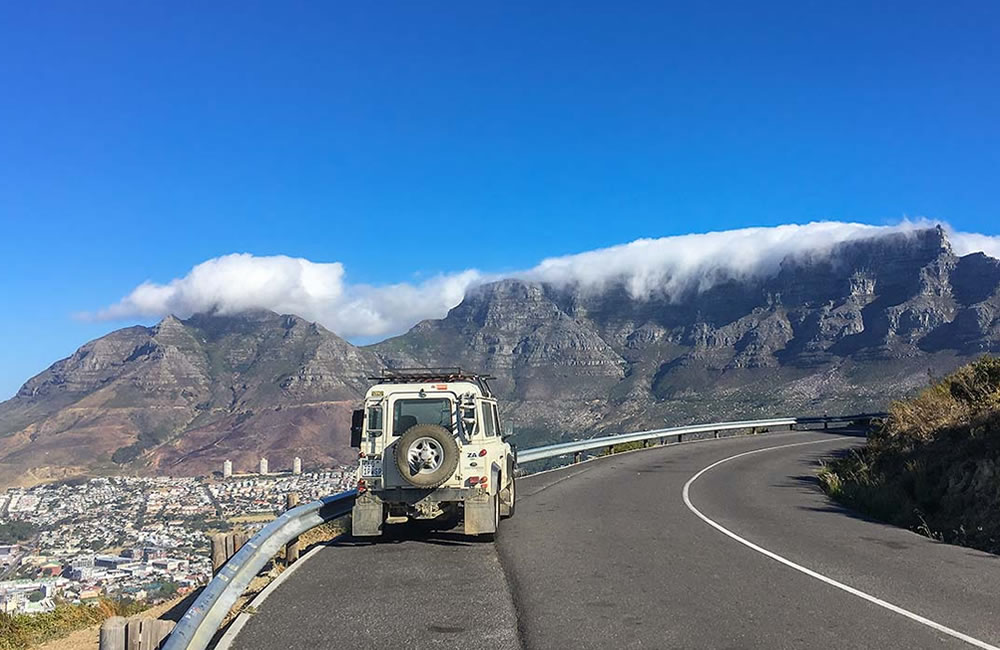
A Road Trip through South Africa’s National Parks
A road trip through South Africa’s national parks is one of the most captivating ways to experience the country’s breathtaking natural beauty and incredible wildlife diversity. South Africa is blessed with an exceptional network of protected areas — from the legendary Kruger National Park teeming with the Big Five, to the coastal cliffs of Tsitsikamma and the dramatic mountains of Golden Gate Highlands. Each park offers a unique encounter with nature, culture, and adventure.
What makes this journey truly special is the freedom of the open road — driving at your own pace, stopping for a herd of elephants crossing the track, or pausing to admire a sunset over the African plains. Well-maintained roads, reliable infrastructure, and varied accommodation options make South Africa ideal for self-drive exploration. Whether you’re a seasoned safari-goer or a first-time traveler, a road trip through South Africa’s national parks promises unforgettable scenery, remarkable wildlife encounters, and a deep connection to the wild heart of Africa.
- Why choose a road trip through South Africa’s national parks?
A self-drive road trip allows travelers to explore South Africa at their own pace, venturing beyond popular tourist routes to uncover the country’s wild heart. National parks are strategically connected by good highways, and accommodation options range from budget campsites to luxury lodges. Moreover, South Africa’s diverse ecosystems — from arid deserts to lush forests — make it ideal for travelers seeking variety and adventure on one journey.
- National Parks to visit for a self-drive experience in South Africa
Here’s a classic route that showcases South Africa’s best parks, wildlife, and scenery:
Kruger National Park
Known as the crown jewel of South Africa’s wildlife reserves, Kruger is one of the most visited national parks in the country. Stretching nearly 20,000 km², Kruger offers the chance to see the Big Five (lion, leopard, elephant, rhino, and buffalo) along with over 500 bird species.
Top activities at the park include self-drive safaris, guided night drives and walking trails.
Best entrances at the park: Phalaborwa, Skukuza, and Malelane gates.
Travel tips at the park: Spend at least three days exploring different regions — the north is quieter, while the south has denser wildlife.
Golden Gate Highlands National Park
Golden Gate Highlands National Park is located in the Free State, South Africa, near the Lesotho border. With a total surface area of about 340 square kilometers, the park is famous for its golden-hued sandstone cliffs, rolling highlands, and spectacular sunsets.
During your self-drive adventure at the park, take part in activities like hiking, horse riding, and photography as you view attractions like Brandwag Buttress, Cathedral Cave, and vulture viewing points.
Travel tip: This is an ideal spot for a break between wildlife safaris — the cool mountain air is rejuvenating.
Addo Elephant National Park
Located in the Eastern Cape, Addo Elephant National Park is home to over 600 elephants and a diverse range of other wildlife, including lions and black rhinos. With a total area of about 1640 square kilometers, the park ranks third in size after Kruger and Kgalagadi Transfrontier Park. The top activities at the park include game driving and bird watching and it stands as one of the few parks where you can spot the Big Seven — including whales and great white sharks along its marine extension.
Travel tip at the park: Stay in the main rest camp or try nearby lodges for comfort and convenience.
- Best Time to Go
The best time for a road trip through South Africa’s national parks depends on your interests:
- For wildlife viewing (Kruger & Addo): May to September (dry season) when animals gather around waterholes.
- For scenic drives (Garden Route & Cape Town): October to March for lush greenery and pleasant weather.
- For birdwatching: November to April when migratory species arrive.
- Practical tips for a self-drive safari
- Car rental: A 4×4 or SUV is recommended for flexibility and comfort, though most major parks have well-maintained roads suitable for regular cars.
- Park fees: Purchase a Wild Card for unlimited access to most South African national parks.
- Accommodation: Book park lodges early, especially in Kruger and Addo. SANParks’ website is the official booking platform.
- Fuel: Keep your tank topped up; distances between parks can be long, and fuel stations inside parks may be limited.
- Safety: Follow park speed limits, keep windows closed near wildlife, and never feed animals.
Conclusion
A road trip through South Africa’s national parks is more than just a holiday — it’s a journey through the soul of Africa. Each park tells a different story: of wild animals roaming free, of landscapes shaped by time, and of cultures living in harmony with nature. Whether you’re a first-time visitor or a seasoned explorer, South Africa’s open roads and protected wilderness promise adventure, discovery, and unforgettable beauty at every turn.
Read MoreMost Outstanding Tourist Attractions of Africa
Here are Africa’s Most Outstanding Tourist Attractions.
The Egypt Pyramids  Egypt PyramidEgypt is a land of many secrets and hidden treasures. This country holds 80 most recognizable pyramids that have been in existence for the last 5000 years. These amazing buildings have been among the ancient seven wonder of the world. They were basically built to hold the remains of Kings or Queens. A visit to this exotic place will reveal the beauty of the three and a half mile tall pyramids. The many tunnels inside the Pyramids’ will surely require that the visiting tourist be guided by a well informed tour guide.
The Victoria Falls
On the boarder of Zambia and Zimbabwe lies the amazing Victoria Falls. The Zambezi river forms one the largest falls in the world. The falls are within many gorges, with an attractive bridge joining the Second Gorge and Third Gorge. The naturally formed “Devil’s Pool”, is a pool of still water on the edge fall. Although a very dangerous place, some tourists swim despite the risk of plunging over the edge.
The Sossusvlei in Namibia
There are some places in Africa where many people doubt whether they existence Sossusvlei is possibly one of this place. It’s the foremost attraction of Namibia because the desert has astounding landscape characterized by high sand dunes of vivid pink-to-orange color, a consequence of a high percentage of iron. The amazing thing about the sand dunes is that they constantly change their shape due to the strong winds. Hiking and climbing is a very enjoyable activity
The Masai Mara In Kenya
Masai Mara is park that is inhabited by nearly all the wildlife that is found in sub-Saharan region. From the big 5 to buffalos, hyenas, giraffe and the numerous wildebeest that migrate yearly form July to October. This park is also a second home to BBC documentary on the Big cat diary.
Zanzibar Coastline
The beauty and serenity of Zanzibar beaches is yet to be competitively compared to any other coastline in Africa. The beaches are totally unpolluted and the Ocean around has hundred of sea animals. The attractively built hotels are uniquely designed in Swahili and Zanzibar architecture providing modern comforts with unspoilt natural beauty.
The Virunga Mountains
The Virunga Mountains are a chain of in East Africa, along the northern border of Rwanda, the Democratic Republic of the Congo (DRC) and Uganda. The mountains are the home of to over 880 mountain gorillas. No words can describe the first hand experience of seeing these gorillas.
Read More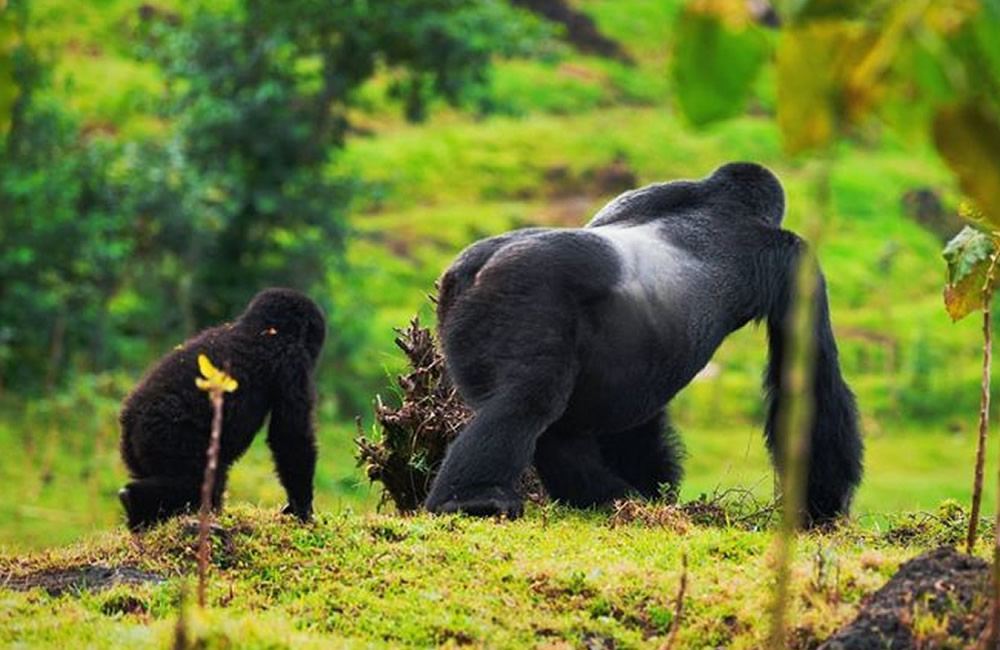
Uganda Vs Rwanda: Where to Go for Best Gorilla Treks
Without any doubt, Uganda and Rwanda are known as the best destinations for gorilla tracking in the whole world. However truth it may be, there has been several debates in contrast which provides the finest regard to gorilla trekking experience, and photography. It must be put into consideration that mountain gorillas are regarded as endangered species and according to the last population census carried on them in 2018 there about 1060 individuals left in the world. Among these a half of the world’s population live in Uganda’s Bwindi Forest located in the south western part of Uganda over 480 individuals live in this park. The rest are found within the Virunga ranges which are shared by Rwanda within the volcanoes national park in the north western region of Rwanda, the virunga national park in the democratic republic of Congo and the Mgahinga gorilla forest national park in Uganda. People who have got chance to track in each country have different experience in contrast and views, however what we have here are certainly not the reality however its reliant on people’s views.
Travel Time to the Mountain Gorilla Parks
Gorillas in Rwanda can be reached in just a drive of about 2-3 hours from the Kigali Rwanda’s capital city to volcanoes national park located in Ruhengeri Musanze district in the north western part of Rwanda. In contrast, Uganda Gorillas are found in the south- western part of Uganda in a drive of about 9-10 hours from Kampala Uganda’s capital and largest city up to Bwindi impenetrable national and Mgahinga gorilla national park. When comparing the driving distance Rwanda takes it all due to a shortest distance it covers to the gorilla park. However some of the clients yet said that the long distance from Entebbe to Bwindi impenetrable forest or Mgahinga national park gives an experience it filled with striking views, a stopover at the equator-crossing and certainly the kigezi adulating hills making the total safari exciting.
Gorilla Tracking Fee (Permits)
No one is allowed to track gorillas without a gorilla permit and it’s advised to book earlier prior to your tracking date at least 3-5 months before you set up your safari and this applies to both countries. Rwanda gorilla permits costs $ 750 per person per tracking and this includes the park entry fee plus the ranger guides and permits in Rwanda are acquired at the Rwanda tourism board Offices (ORTPN) found in Kigali (close to the PNV). Whereas in Uganda gorilla permits are at a fee of $ 600 per person per tracking, park entry fee and ranger guides is included on that money, and permits are bought at the Uganda wildlife Authority (UWA). Uganda gorilla permits fees are subjected to seasons in the high seasons gorilla permits are got at $600 while the low seasons April –May they costs $350 per person including the park entry fee both in Bwindi and Mgahinga. Thus this means that gorilla tracking within Rwanda is more expensive in comparison to gorilla trekking within Uganda. If you track in Uganda you end up saving about $150 in the high season and about $350 in the low seasons and will use the rest of the money to track the chimpanzees within Kibale National Park or Queen Elizabeth N.P
Gorilla Family distribution
In terms of allocating gorilla families within Rwanda, the gorilla families and permits are allocated basing on health, age, interest and physical fitness of a tourist and this is made clear during the briefing before the gorilla safari commences. Those who are adventurous and physically fit are allocated to hard families and those who are weak, old, less physically fit are given easy to find gorilla families which are close. But in Uganda this is not the case, Gorilla permits are sold on first came first served basis without considering the, age, health and fitness along with other essential variables. So gorilla tracking in Rwanda is more flexible than in Uganda.
Watching and Photography
Mountain gorillas in Rwanda can be viewed easily and photography is much clear as compared to the Bwindi impenetrable forest gorillas. Rwanda Volcanoes National Park gorillas are found in the bamboo forests and short grass that has caused it better when it comes to viewing plus photography. The impenetrable forest of Uganda at times results into bad visibility as well as photography because of the tall grass. However viewing in some families in Uganda is clear like in the Nshongi family within Rushegur, Nshongi among other have better views.
Accommodation Compared.
When it comes to lodging and accommodation, Uganda is far much better compared to Rwanda. Uganda has several accommodations within the four trails that are Rushaga, Ruhija, Nkuringo and Buhoma. In each trail you can still find at least 2 up market accommodations and also other alternatives to mention some lodges include (Luxury) Buhoma Lodge/ Mahogany Lodge/ Chameleon Hill Lodge/ Lake Mutanda Resort (mid-range) Engagi Lodge/ Silverback Lodge / Gorilla Safari Lodge/ Gorilla Resort Bwindi/ Gorilla Mist Camp, (budget)Ruhija Gorilla Friends Camp or Travelers Rest Hotel, Gorilla Valley Lodge or Buhoma Community Campground. In terms of Rwanda, there a number of lodges however only one sticks out and that’s Virunga Lodge that is usually full and costly. Other lodges include Sabyinya Silverback Lodge, Gorilla nest Lodge, (luxury) Le Bombou Lodge and Kinigi Guest House.
Apart from gorillas which other activities done
Besides mountain gorillas Uganda is blessed by very many natural wonders it hosts over 1012 species of birds, it’s where in the world you can spot the tree climbing lions in the famous part of Queen Elizabeth national park Ishasha area, you can see them sited on fig trees or tree blanches, still It has got the source of the Nile the longest river in the world, where it begins 3000 kilometer journey to the Mediterranean Sea.
It’s located in Jinja and around the Nile you can try river rafting and bungee jumping and fishing activities can be arranged on Lake Victoria the biggest fresh lake in Africa. Uganda is also home to ten national parks and 12 wildlife reserves which provide uncrowded viewing of the varied animals, birds and plant species. In addition to that, the famous Rwenzori mountains also provide challenging expedition to those looking for mountain climbing. Uganda was chosen the very best location by Lonely Planet. All these among other attractions make Uganda the best in terms of tourist attraction.
Rwanda has three other national parks that you can explore during your safari. These are Nyungwe Forest national park where you can do chimpanzee tracking and canopy walk, Akagera National park, the only savanna national park where you can experience game viewing and the Gishwati Mukura National Park home to chimpanzees.
Read More5 Things I Learnt About Ringing Black Sparrowhawks
For the past three years I have been observing a pair of black sparrowhawks that nest just down the road from my family’s house in Tokai.
A couple of weeks ago I was invited by the Black Sparrowhawk Project to assist them in ringing three new chicks. Strangely, in the days leading up to the ringing, I had my best sparrowhawk sightings to date, including seeing chicks in a nest and their mother bringing them food. I was even able to watch the mother bring down a feral pigeon right in front of me.
The ringing itself was an incredibly enriching experience. I was able to witness new aspects of sparrowhawk behaviour, learn about their adaptations, and get an insight into what it takes for scientists to gain an understanding of these birds so that we can ensure their protection. Best of all, I was finally able to see the chicks up close after spending weeks barely glimpsing them in the nest.
Here are five things I learned about what is required to ring these magnificent birds.
1. Tree climbing
There are some serious risks involved in this part of the operation. At the start of each ringing, Mark Cowen had to climb up the tree with his climbing gear to reach the nest, photograph the chicks in the nest, put them in bags and lower them down to the other researchers on the ground. All the while, both parents repeatedly and relentlessly dive-bombed him. Sometimes the female would strike his helmet, resulting in a loud crack. The bombardment eventually got so bad that at one point Mark had to cover his helmet with a thick blanket for additional protection.
2. Taking blood samples
Dr. Petra Sumasgutner had to take blood samples from each of the three chicks. This is an essential element of the research because it allows her to look at the cell count of the birds, including blood cell count, and to determine whether or not the birds had any internal parasites or genetic problems. The institute has done a great deal of work in helping to increase our understanding about this population of black sparrowhawks.
3. The ringing
After the chicks had been weighed, each chick was fitted with three rings. One leg bears two of the rings and the other only one. A SAFRING, with a different number for each chick, is the primary ring fitted onto one of the chick’s legs along with a green and a blue ring. Each chick has a different ring combination so that they can be accurately identified in the future. These rings are an important tool in determining the range of individual sparrowhawks here, as well as population size.
4. Anatomy check
All three of the chicks are examined after the operations have been completed to determine what stage of growth they’re at, how developed their feathers are and whether or not they are displaying traces of hunger (which are side-effects from malnutrition that can lead to problems with the chicks’ development that could affect them in later life). Additionally, the chicks’ wings and facial features were photographed. It was amazing to be able to look at the features of these amazing birds from such close quarters. It really gave me a completely new perspective.
5. Getting up close and personal
I learned a lot of new things about black sparrowhawks while observing the chicks up close and watching the parents. Both the male and the female sparrowhawks had different calls to one another, which meant they could be accurately identified even when they were perched among thick branches. The legs and talons of the chicks were adapted for a life of specializing in hunting, and their eyes, which were light brown, would turn bright red when they were adult. I could also see the bird’s specialized trachea and watch as their claws reflexively grabbed at everything they saw.
Currently, all three chicks are doing well. They’ve lost all of their white fluffy feathers and are now no longer in the nest but perched in the branches of the nest tree with their parents. It won’t be long before they start hunting for themselves and leave their parents’ territory to start their own families.
Read More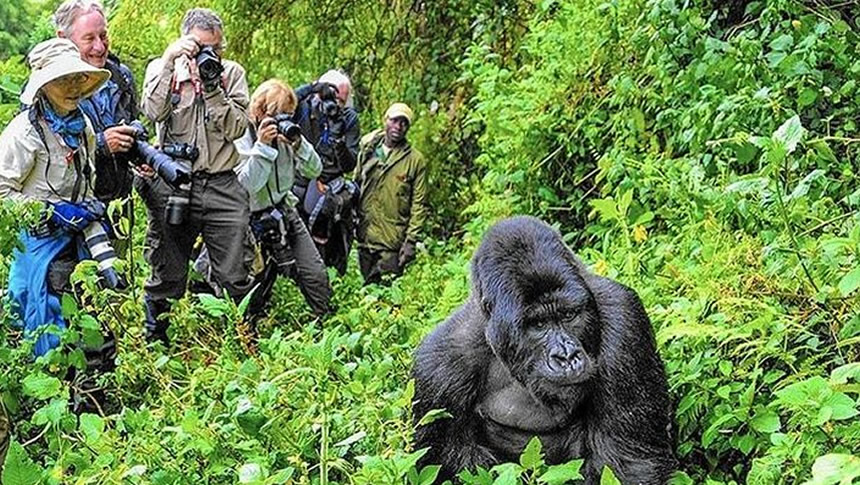
Why Go Mountain Gorilla Trekking in Africa
Wildlife, scenic Islands ,friendly people ,rich culture, landscape, lakes, rain forests, volcanoes, mountains-Uganda and Rwanda has all these to offer but gorilla trekking is more wrapped up as the top tourist attraction in the region regarded as the first welcoming trip to all visitors. Historical records confirm that Uganda and Rwanda are the leading gorilla trekking destinations in the world and have famed for its wonderful gorilla trekking experience that visitors get in company of the beautiful natural scenery. The two countries have three destinations where gorilla safaris are conducted; Bwindi Impenetrable forest and Mgahinga National park of Uganda and Volcanoes National park in Rwanda. There are so many reasons why Uganda and Rwanda win when it comes to gorilla trekking holidays.
Stunning variety of primate species
All gorilla trekking parks in Uganda and Rwanda have various beautiful primate species including golden monkeys, black and white tailed monkeys, chimpanzees, velvet monkey plus mountain gorillas the main park attraction. No matter where you track gorillas it’s a must for you to see several primate species that make your trek more incredible. There are trekking options for those who love tracking gorillas and other primates especially golden monkey trekking that is done in Mgahinga National Park and Volcanoes national Park.
Easy Last Minute Arrangement
Well it has not always been easy to plan a gorilla trekking tour in Africa but in Uganda and Rwanda things have changed as long as you get a gorilla trekking permit. Am not advising you to book your gorilla trekking tour on the last minute because it’s kind of risky but if that is the time you have , then try your luck in only Uganda and Rwanda. Sometimes tourists cancel their permits on the last minute giving you a chance to have one.
Wide Range of Accommodations to suit all Budgets
Both Uganda and Rwanda have variety of accommodation facilities in all gorilla trekking areas and sectors and suit all budgets. There is plenty to chose from depending on how much you willing to spend per night. Budget accommodations range from $20-$100, midrange $200-$350 and Luxury $500-$100 per night .However the tricky park comes when you to track gorillas in Bwindi forest national park a park of four sectors-Ruhija, Buhoma, Rushaga and Nkuringo each with different accommodation facilities. Our advice is always first book your permits and then accommodation.
Diverse Tour Activities
No matter what your interest could be but there is a lot to explore and enjoy on Uganda Rwanda gorilla Safaris .Do you want to track gorillas and golden monkeys or track gorillas and hike the volcanoes, or you love seeing the other part of the ancient tradition? Then you in a right place once you go gorilla trekking in Uganda and Rwanda. Other activities done after gorilla trekking include the community retreat, Ride a bicycle for a woman, hiking, nature walk, Batwa cultural experience etc.
Fantastic Climate
The sunny warm days throughout the year attract thousands to Uganda and Rwanda for gorilla trekking in Bwindi Forest National Park, Mgahinga National park and Volcanoes National Park. Due to change in whether patterns it can take 2-3 days without raining in the so called rainy months of the year-April, May and November. When it rains during the day the sunshine’s immediately making the weather just appealing and great for Africa safari tours.
Other reasons include the cheap gorilla permits, safety of both countries, simple gorilla formalities, high experienced professionals who organize gorilla trekking trips, gorilla trekking location, welcoming culture, friendly people among others.
Read More